
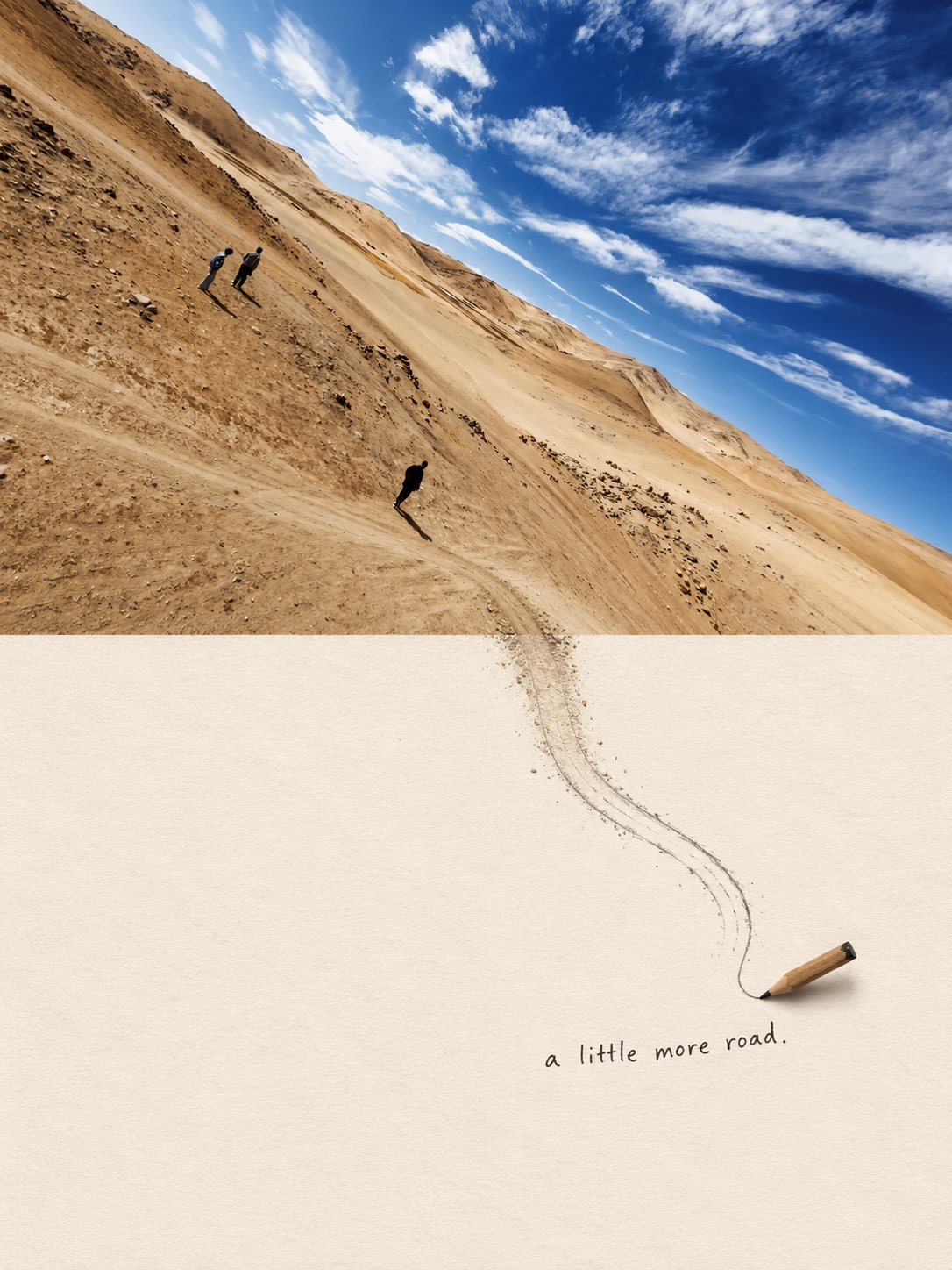
Create One Independent “Second World” Poster Per Upload
A curated image prompt for create one independent “second world” poster per upload.
DesignUniversal
Created by Prompt Style Atlas
A curated image prompt for create one independent “second world” poster per upload.
Created by Prompt Style Atlas
Prompt used for this image
Create one independent “Second World” poster per upload.Never combine photos.Format:Vertical 3:4 canvas split into two strictly equal horizontal halves,top 50% and bottom 50%.Upper half stays photographic;lower half becomes the continued Second World.They must read as one scene. Upper Half:Keep the photo faithful.Preserve subject,pose,spatial relationships,color atmosphere,and natural http://light.Do not redesign,repaint,replace,or restage it.Only allow necessary proportional cropping. Continuity:The top-to-bottom connection is the highest priority.Identify one source structure that naturally reaches the center split,such as a road,shoreline,water,reflection,branch,light,architecture,or body movement.This structure must cross the boundary and continue into the lower half.The Second World must begin from the photograph itself,so the same scene passes through the seam and changes physical rules. Transition Edge:The center may use an irregular torn-paper edge,but the tear must follow the source structure,not act as decoration.Allow source elements to touch,follow,break through,or extend beyond it.Never force the same tear shape onto every image. Lower Half:Use ivory paper with subtle fibers and abundant negative space.Continue the chosen structure downward from the exact point where it meets the split,then reinterpret it with restrained photo fragments,cut-paper forms,and minimal black hand-drawn lines.The lower world must remain visibly attached.Never isolate it as a separate portal,window,stage,platform,or floating vignette unless clearly derived from the photo. Second World Logic:Ask:if this structure became touchable,usable,enterable,or changeable,what would it naturally become?Create one image-specific interaction.For example,water may stay attached while being pulled,a road may continue as a drawn path,or light may become something http://held.Do not mechanically repeat actions. Figures:Add 0–3 tiny black line figures only when useful.They must physically interact with the continued structure.If the source already contains strong human action,add none.Never use figures as decoration. Caption:Add one short handwritten English caption based on the action.Keep it natural,light,and slightly http://witty.No inspirational quote and no fixed “Same...,different...” phrasing. Style:Real photography above,warm paper below,minimal black line doodle,subtle handmade collage texture,independent-magazine mood,bright,airy,and restrained.The result should feel as if the second world was already hidden inside the photo and simply continued downward. Negative:No detached lower-half illustration,no generic torn-paper template,no isolated portal,no unrelated vignette,no broken continuity,no dense illustration,no random decoration,no crowd,no altered photo colors,no redesign of the upper image,no glossy 3D,no scrapbook clutter,no gibberish text,no watermark,no logo,no UI.
Source
Created by Prompt Style Atlas
Original prompt and image curated for this atlas.
Reusable style template
Create one independent “Second World” poster per upload.Never combine photos.Format:Vertical 3:4 canvas split into two strictly equal horizontal halves,top 50% and bottom 50%.Upper half stays photographic;lower half becomes the continued Second World.They must read as one scene. Upper Half:Keep the photo faithful.Preserve subject,pose,spatial relationships,color atmosphere,and natural http://light.Do not redesign,repaint,replace,or restage it.Only allow necessary proportional cropping. Continuity:The top-to-bottom connection is the highest priority.Identify one source structure that naturally reaches the center split,such as a road,shoreline,water,reflection,branch,light,architecture,or body movement.This structure must cross the boundary and continue into the lower half.The Second World must begin from the photograph itself,so the same scene passes through the seam and changes physical rules. Transition Edge:The center may use an irregular torn-paper edge,but the tear must follow the source structure,not act as decoration.Allow source elements to touch,follow,break through,or extend beyond it.Never force the same tear shape onto every image. Lower Half:Use ivory paper with subtle fibers and abundant negative space.Continue the chosen structure downward from the exact point where it meets the split,then reinterpret it with restrained photo fragments,cut-paper forms,and minimal black hand-drawn lines.The lower world must remain visibly attached.Never isolate it as a separate portal,window,stage,platform,or floating vignette unless clearly derived from the photo. Second World Logic:Ask:if this structure became touchable,usable,enterable,or changeable,what would it naturally become?Create one image-specific interaction.For example,water may stay attached while being pulled,a road may continue as a drawn path,or light may become something http://held.Do not mechanically repeat actions. Figures:Add 0–3 tiny black line figures only when useful.They must physically interact with the continued structure.If the source already contains strong human action,add none.Never use figures as decoration. Caption:Add one short handwritten English caption based on the action.Keep it natural,light,and slightly http://witty.No inspirational quote and no fixed “Same...,different...” phrasing. Style:Real photography above,warm paper below,minimal black line doodle,subtle handmade collage texture,independent-magazine mood,bright,airy,and restrained.The result should feel as if the second world was already hidden inside the photo and simply continued downward. Negative:No detached lower-half illustration,no generic torn-paper template,no isolated portal,no unrelated vignette,no broken continuity,no dense illustration,no random decoration,no crowd,no altered photo colors,no redesign of the upper image,no glossy 3D,no scrapbook clutter,no gibberish text,no watermark,no logo,no UI.
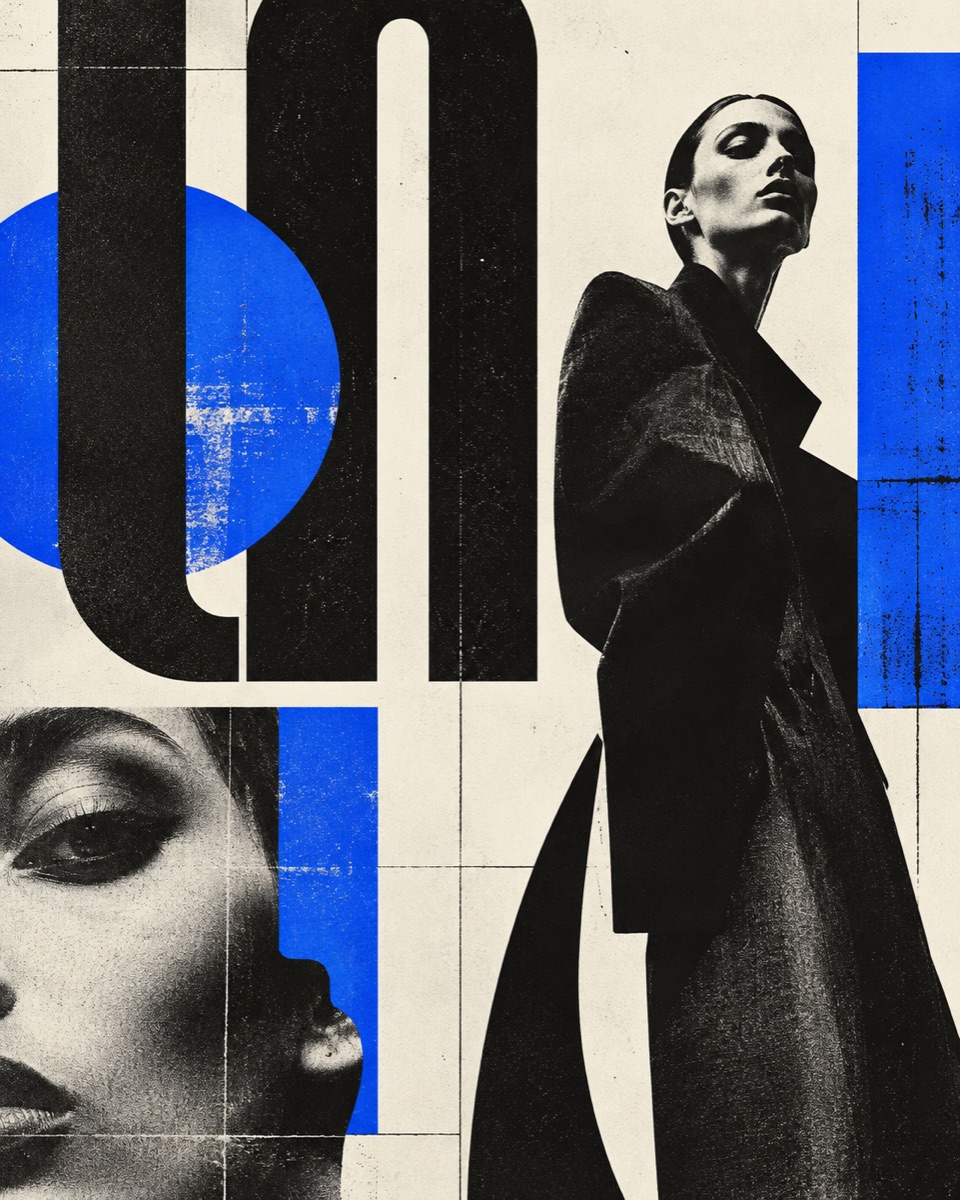
Oversized typography, hard crops, paper texture, and unapologetic negative space.
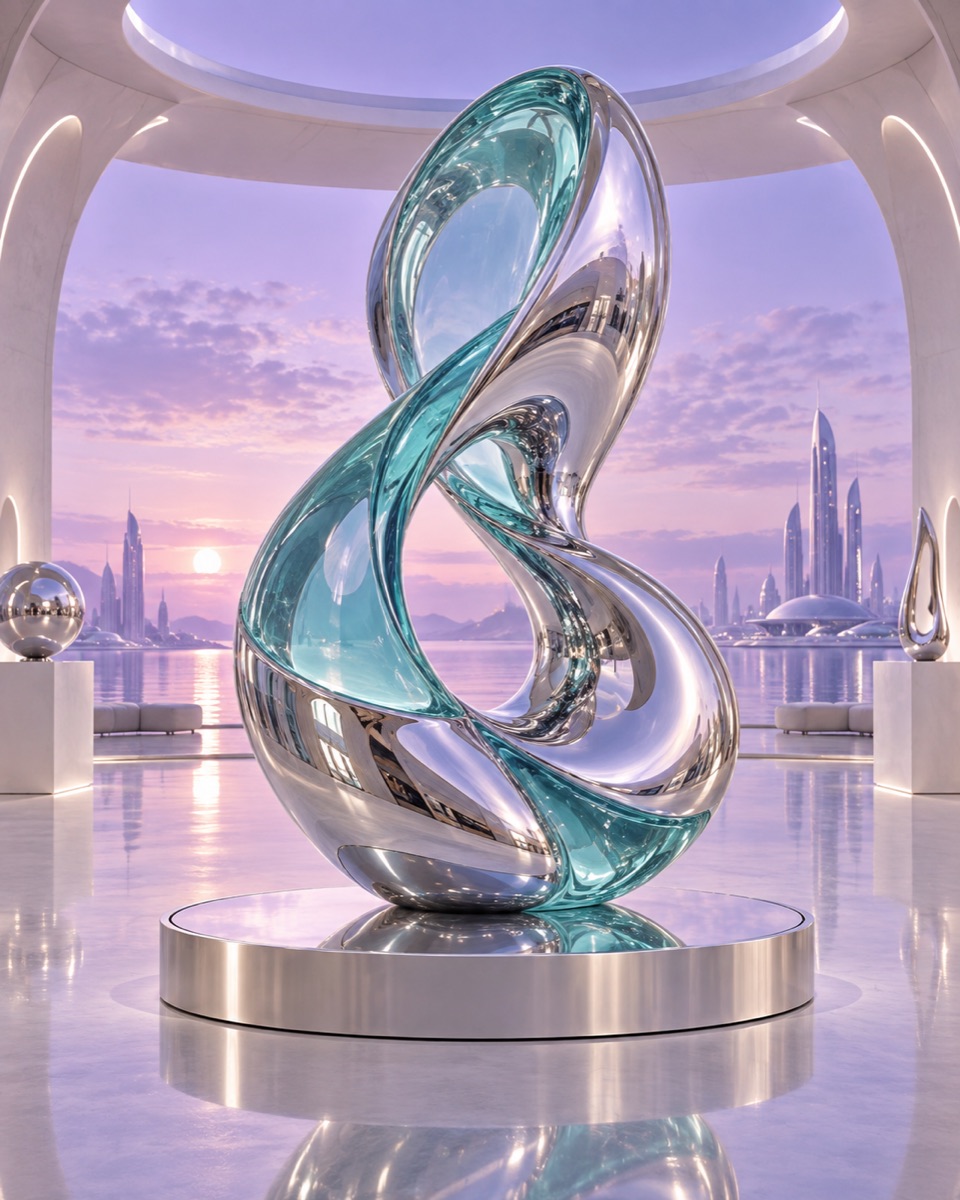
Optimistic Y2K forms, mirror-polished surfaces, and luminous synthetic color.
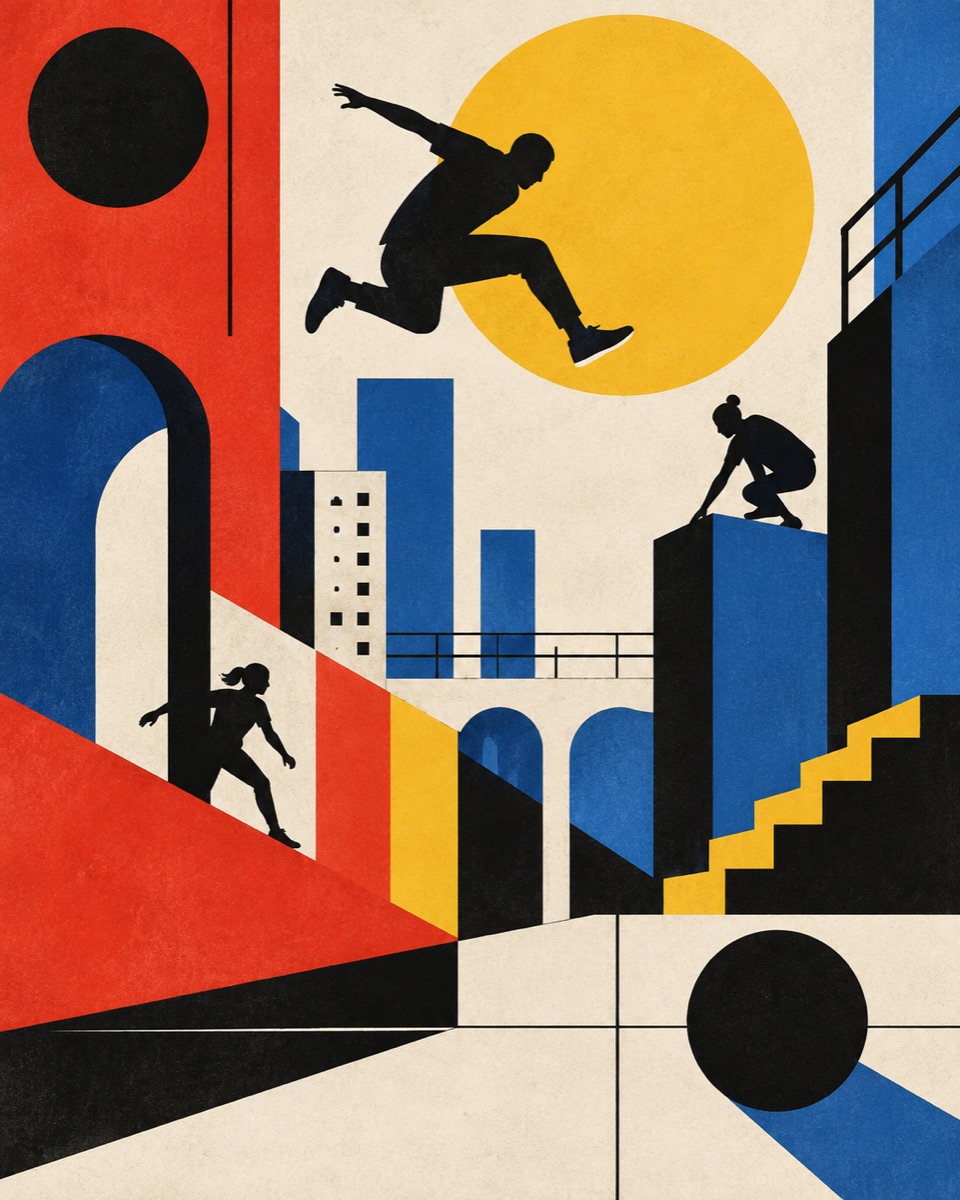
Primary geometry and disciplined rhythm, softened with a playful editorial sensibility.