Curated 3D animation prompts for product films, abstract worlds, spatial storytelling, and browser-based 3D experiences.
Use this model-agnostic collection to study 3d prompt patterns across browser video workflows. Compare the visual result with the full brief, then keep the reusable direction and swap in the syntax required by your preferred model.
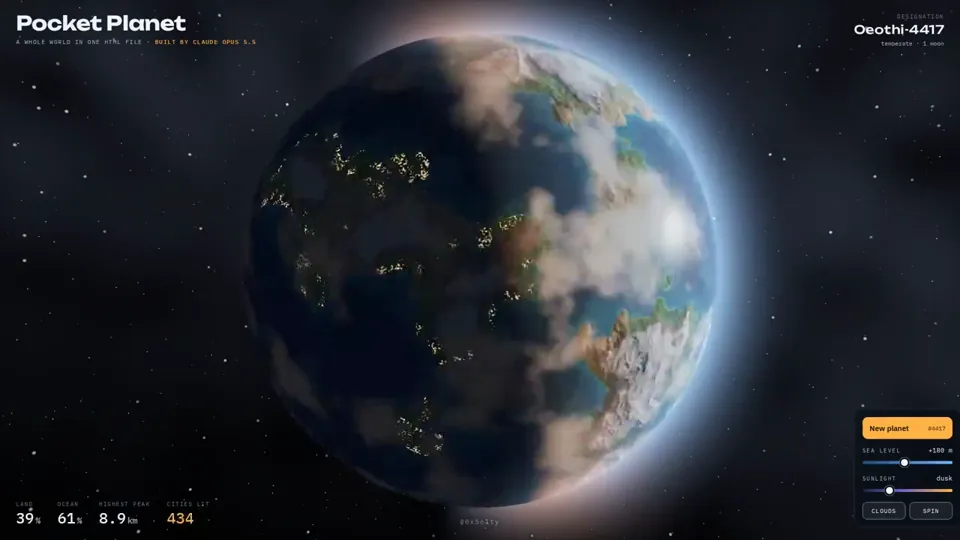
i asked opus 5.5 to build me a planet.
not a picture of a planet. a whole planet.
it wrote a single html file. no libraries, no images, no 3d models. every ocean, every mountain and every city light is math, generated live in your browser.
then i started playing with it.
drag it and it spins. raise the sea level and watch continents drown. move the sun and watch the cities switch on at night.
hit "new planet" and it invents a new world. it even names it.
a year ago this was a semester project for a graphics student.
now it's a prompt.
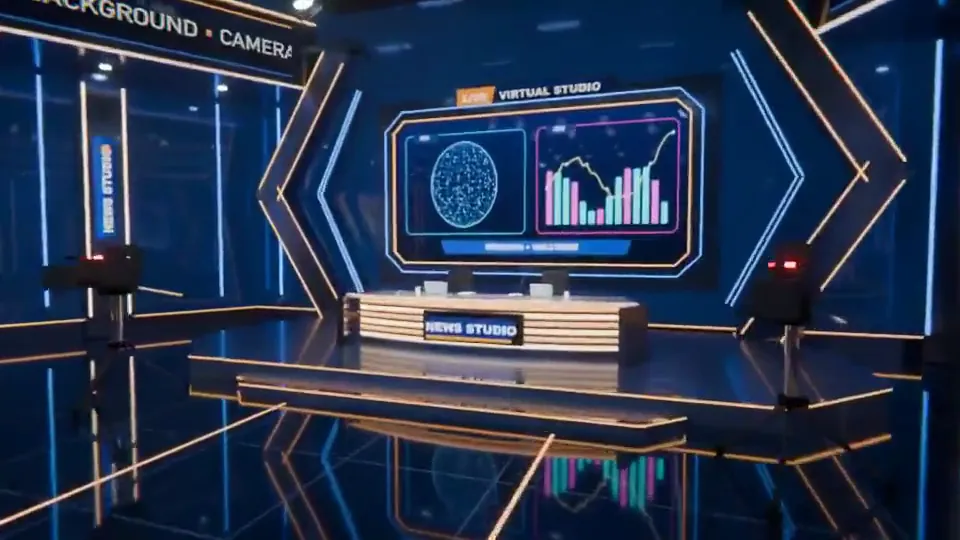
Claude Opus 5.5 just one-shotted an entire 3D virtual studio in Blender.
We used to sell studios like this on Envato. Built in After Effects + Element 3D, each one took our team months.
This took one prompt.
@claudeai @AnthropicAI @alexalbert__ @bcherny
Claude Opus 5.5 is absurdly good at 3D.
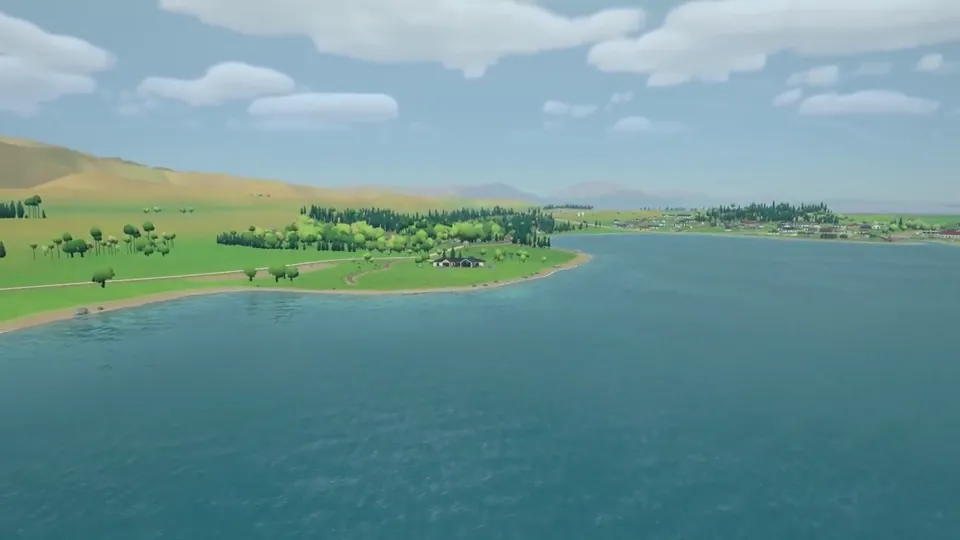
I reran one of my recent 3D experiments with Claude Opus 5.5.
Same prompt, same references, same real-world scene I had previously built with GPT-6 Astra.
The result was much better than I expected.
Put simply, for this specific use case, Claude Opus 5.5 was a clear win for me.
The biggest differences for me were instruction following and taste.
With the same references, Opus 5.5 got much closer to the Zelda Breath of the Wild-style look I was aiming for.
The layout felt more intentional.
It picked better camera angles.
Asset placement made more sense.
And I spent much less time fixing basic mistakes.
In my Astra version, I had to repeatedly correct things like tree roots not touching the ground, rough geometry being used where proper assets already existed, or objects being placed in ways that just looked wrong.
Opus 5.5 got much more of this right on its own.
The interesting part for me is that I have almost zero real 3D skills.
I mostly give references, look at the result, explain what feels wrong, and keep iterating.
With better instruction following and visual judgment, that loop becomes dramatically easier.
Still plenty to improve, especially indoors.
Next test is whether I can recreate the interior of the house with the same level of quality.
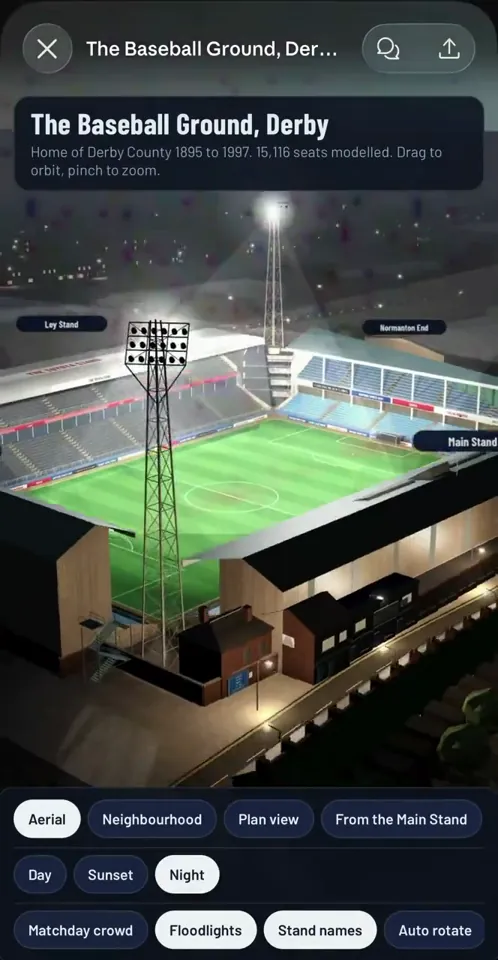
OK so Opus 5.5 SMOKED GPT Astra at 3d modelling this stadium from old plans and reference pics
This was a near one shot. 1000x better than Astras one shot (check reply for Astra’s one shot)
I gave them the same prompt and the exact same reference plans 👇🏻
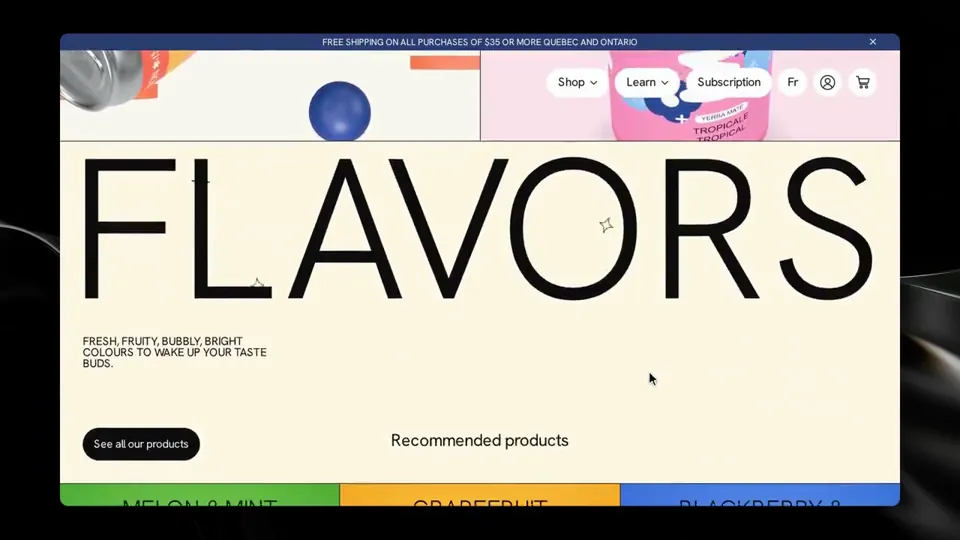
Opus 5.5 building a website for a drink brand.
-It generated all the svgs
-Built the can in 3D
-Painted its own labels and then rendered those to make product photo variations
All this in a single (albeit, beefy) prompt
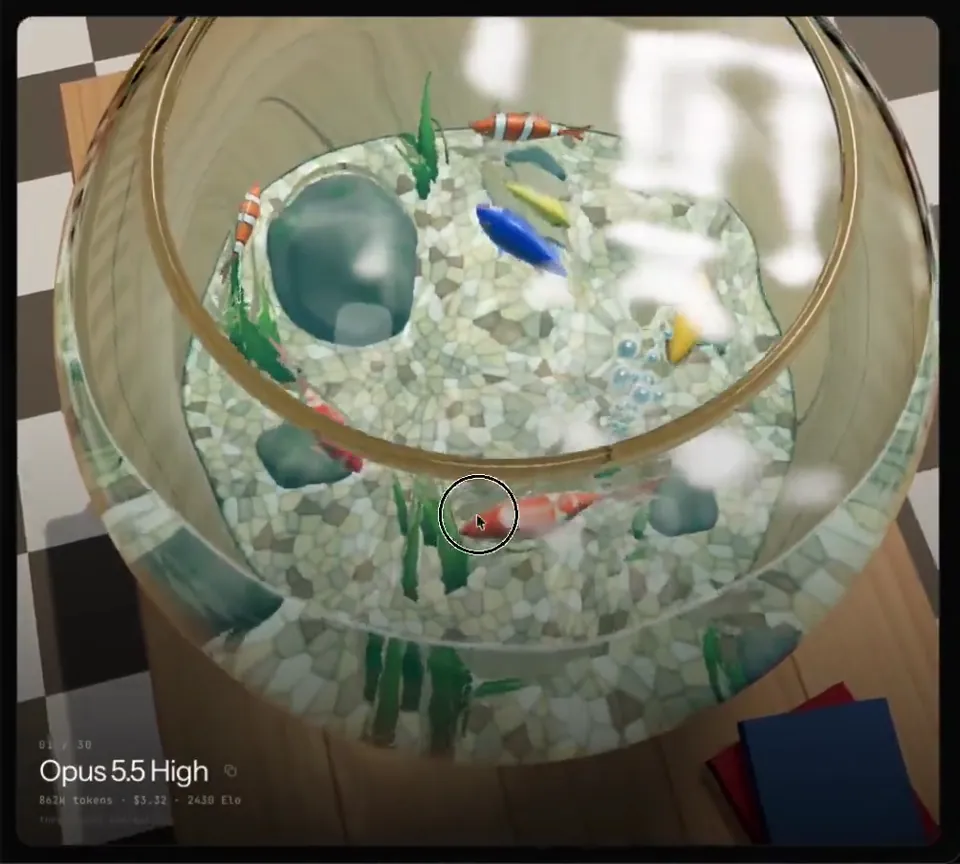
Opus 5.5 does a great job in eval of GLSL (OpenGL Shading Language) in threejs.
The prompt here is roughly. A fishbowl with reflection, refraction and water caustics.
Check it out yourself! And compare it to other models
https://threejseval.com/gallery?eval=fishtank
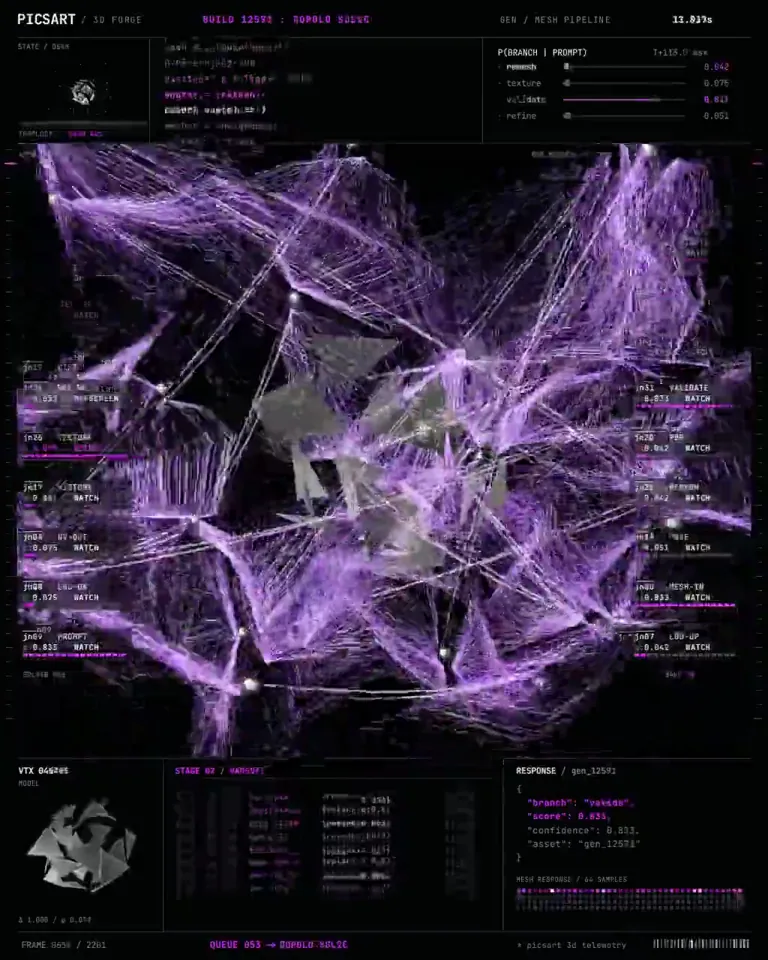
Opus 5.5 turned one sentence into a 3D system that opens in Blender, rigged, textured and ready to animate.
It does not render the object. It constructs it, part by part, the way a modeller would if they had a week.
> PARSE - the sentence becomes a parts list with real dimensions, nothing implied
> MASS - each part built as clean geometry, quads only, no sculpted mush
> RIG - joints and pivots placed where the object physically bends
> SKIN - materials assigned per surface, scale and roughness set separately
> PACK - exported with a named hierarchy, so a human can edit one part
Image models stop at the render. What you get is a photograph of a thing that does not exist as a thing.
That gap appears the second someone wants to move an arm, swap a material, or send it to a printer.
Rigging is what nobody automates. Without pivots you have a statue, and a statue cannot be a system.
Topology beats detail every time. A dense mesh looks stunning in a screenshot and folds the moment it deforms.
Names carry through the whole export. Every part, joint and material reads the way a person would label it.
Studios burn days on modelling and cleanup before anyone gets to the creative part of the job.
The prompt format and what each stage returns are laid out underneath.
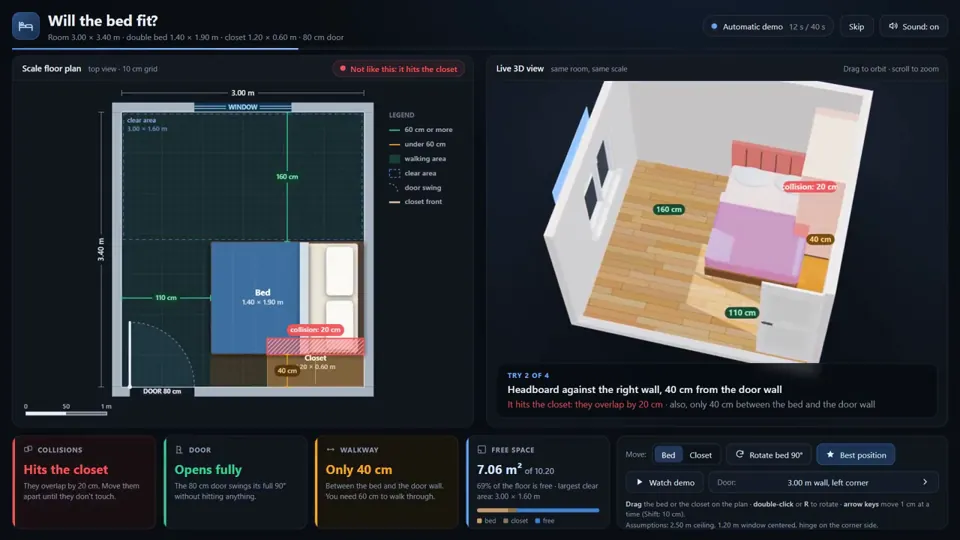
Esta app probó 3,932 posiciones de una cama matrimonial hasta encontrar dónde cabe.
La hizo Claude Opus 5.5 con un prompt mío: cuarto de 3.00 x 3.40 m, puerta de 80 cm, un clóset de 1.20 x 0.60 y la cama de 1.40 x 1.90.
Armó el plano a escala y el cuarto en 3D al lado, y los dos se mueven juntos.
Si la cama choca con el clóset, no deja abrir la puerta o te deja menos de 60 cm para pasar, te avisa.
Solo 108 posiciones no tenían ningún problema. La mejor deja 70 cm para pasar por cada lado.
Tardó 47 minutos, más 5 para pasarla a inglés, y no le corregí nada.
Para una mudanza, esto dice más que cualquier benchmark.
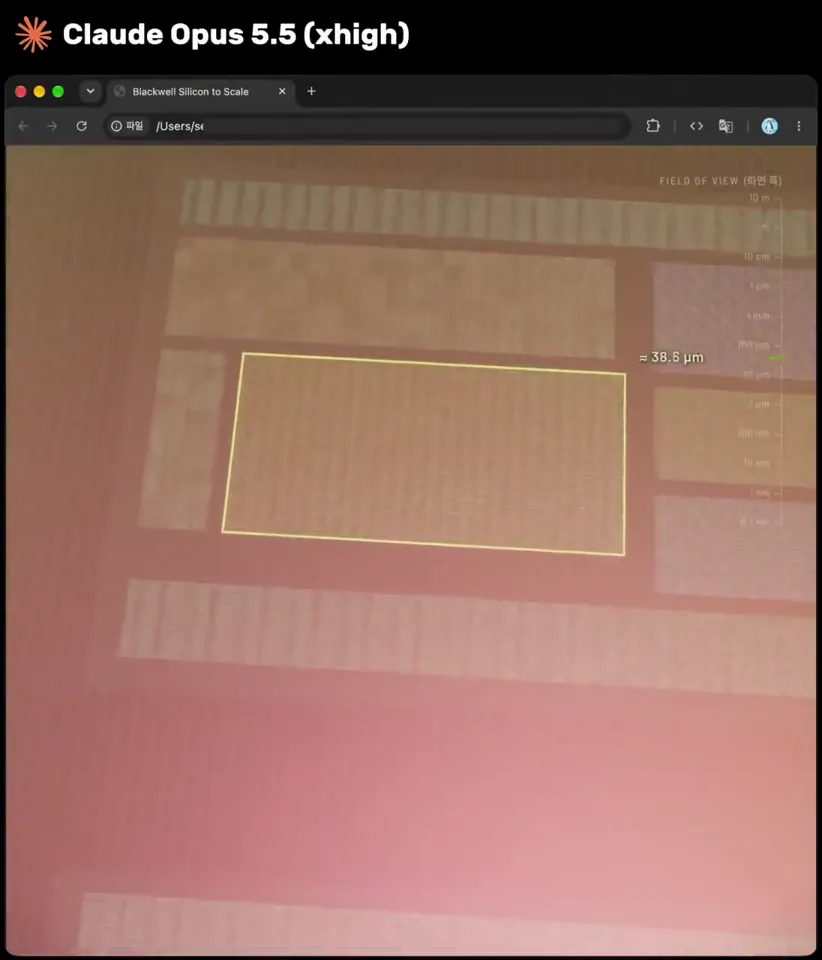
Claude Opus 5.5 یه انیمیشن 3D دیوونهکننده ساخته
از دیتاسنتر شروع میشه، وارد سرور میشه، کارت گرافیک رو باز میکنه، داخل چیپ میره، از مدار و ترانزیستور رد میشه و تا اتم سیلیکون میرسه.
همهش توی یک فایل HTML واحد اجرا میشه و حدود ۱ ساعت طول کشیده.
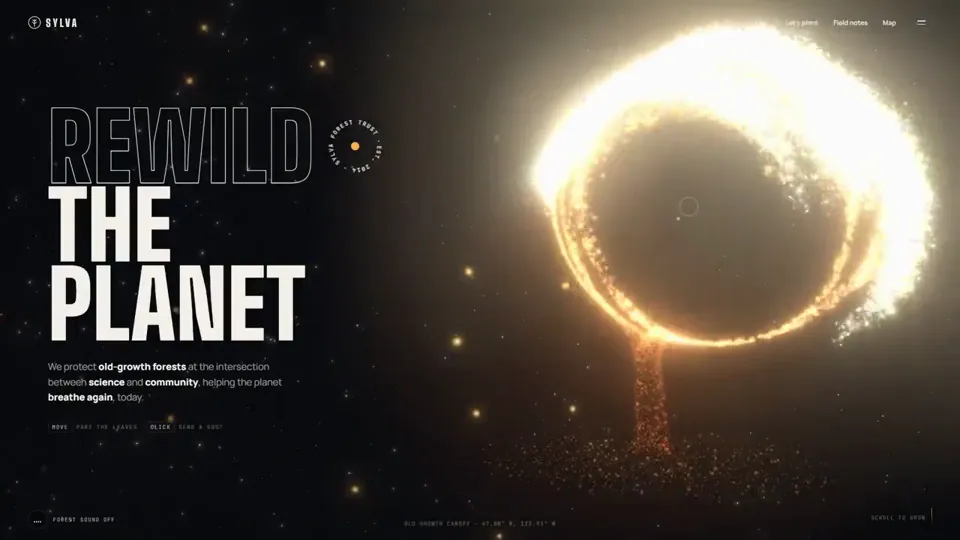
Opus 5.5 is mind boggling.
It created this 3D website from just one prompt.
Told it to create a website for forest conservation agency with pinterest post as reference for 3D animation.
It one shotted into a single html file.
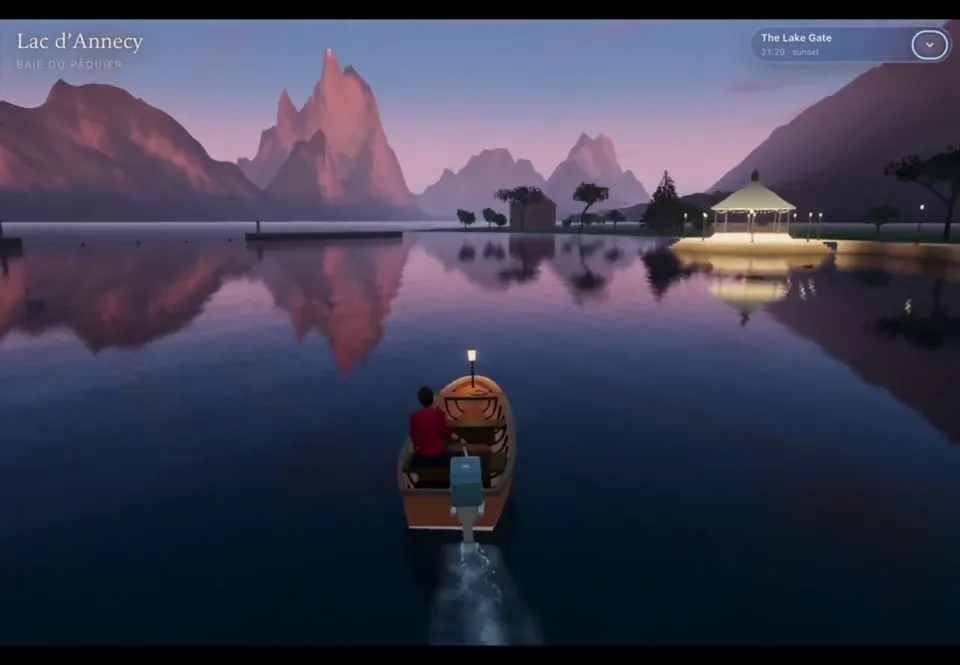
I wanted to see if beautiful destinations could become playable 3D experiences. Annecy, France became the prototype: a boat journey through canals, bridges, waterfront, and the mountain lake, built with Claude Opus 5.5 using Three.js + TSL.
I trimmed the navigation footage for the sake of keeping the video short and the post below below has a slightly longer version. The whole workflow behind this is simple:-
- Explained the concept to Opus and asked it to list some ideas.
- Shortlisted one and asked it to generate a prompt, with tech stack directions.
- Thats it, needed few iterations and is still a work in progress with few issues needing ironing.
- The audio effects were added by Opus itself.
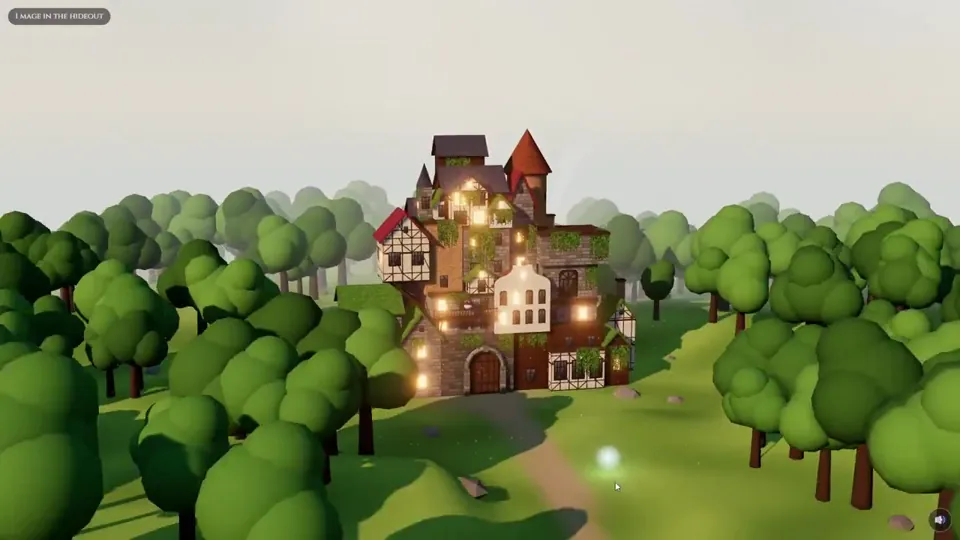
New Black Clover chapters are on the way and Opus 5.5 just dropped, so I put it to the test:
A 3D diorama of the Black Bulls hideout, made with Opus 5.5 + three.js
Every visitor is a floating mana light, come say hi to Nero 👋
https://ribes.cc/hideout/
#BlackClover #threejs
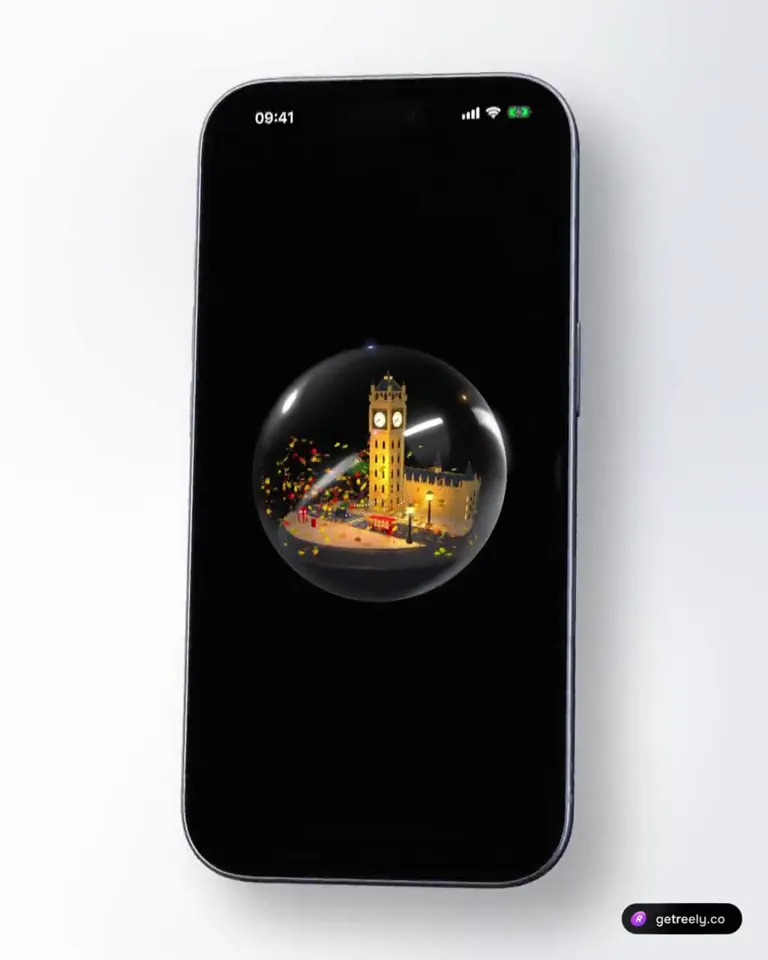
Opus 5.5 put London in a snow globe
🕰 Elizabeth Tower with lit clock faces
🚌 Red double-decker
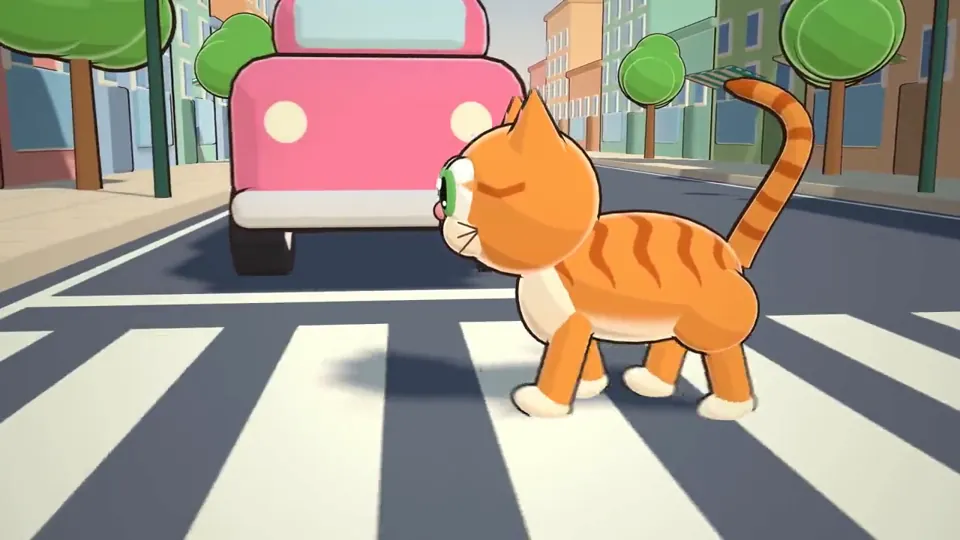
🚕 Black cab at a zebra crossing
☎️ Phone box
🍂 Leaves that swirl when you shake the phone
~700 lines of Swift. No 3D files.
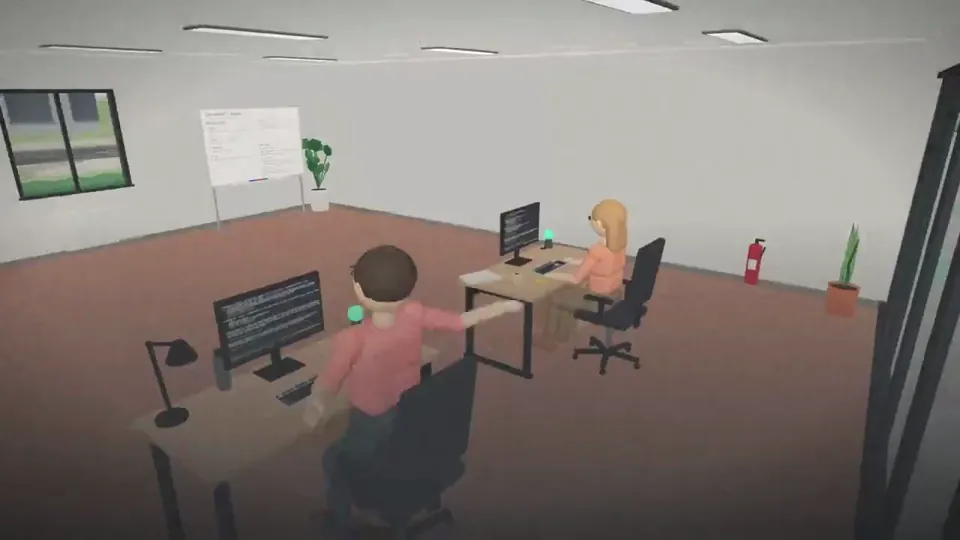
I gave my Claude Code sessions an office.
Workspace turns each session into a desk in a 3D office: see who's working, who's done and who needs you, jump into any terminal, and let them work together.
Open source, built entirely with @claudeai Opus 5.5.
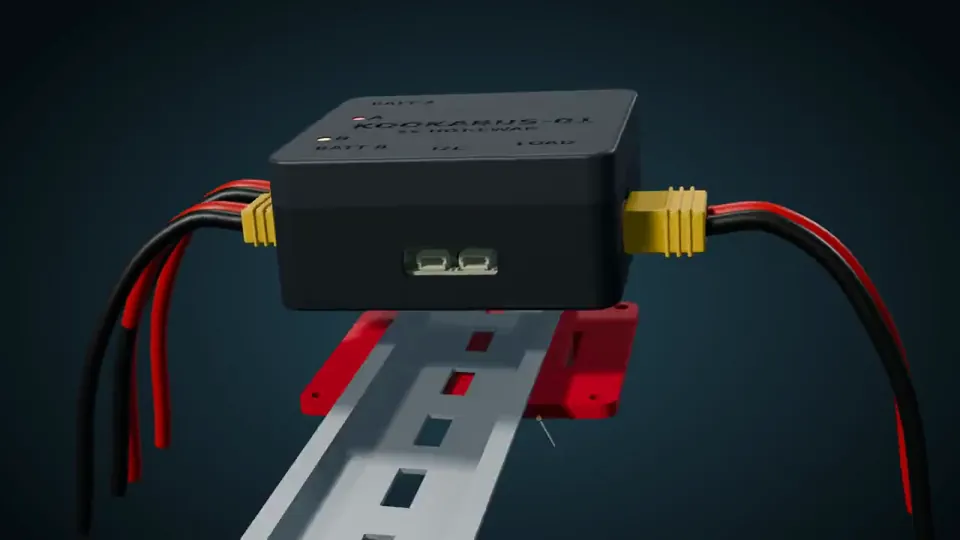
Claude Opus 5.5 continues to amaze me. Claude Opus 5.5 created a 3D printable enclosure for an existing PCB. Then it created this promo video for it.
The PCB, the printable STLs and this animation are 100% just from prompting in Claude Code.
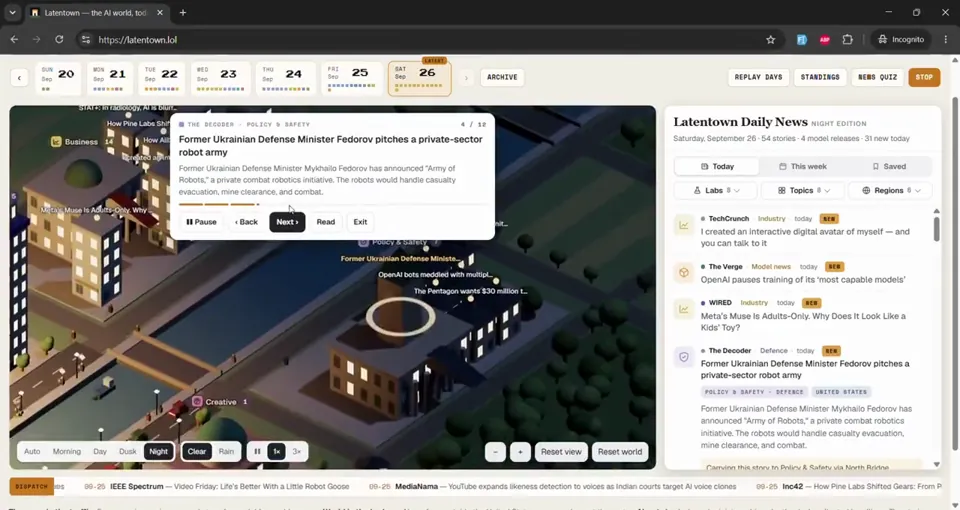
Latentown just went 3D 🏙️
The pixel town grew into a living city of AI news. Every story is a building, every lab has a tower, and couriers carry the day's news across the river.
Built over a weekend with Claude Code + Opus 5.5 and three.js.
https://latentown.lol
Establish real or relative scale before describing motion.
Use a lighting recipe: key, fill, rim, and environment.
State whether the result should feel physical or stylized.
FAQ
Can I use these prompts with models other than Claude Opus 5.5?
Yes. The examples are written as portable creative specifications. Keep the scene, motion, camera, timing, and technical constraints, then adapt the output format for your model or coding agent.
What makes a strong AI video prompt?
A useful prompt names the subject, visual system, sequence of motion, camera behavior, duration, transitions, and delivery constraints. Concrete verbs and measurable timing outperform vague style words.

 0:30
0:30